How safe is your electrical system? Most of us don’t think about the wiring behind our walls until something goes wrong. But when it comes to electrical wiring, early signs of trouble should never be ignored. Flickering lights, tripped breakers, or a slight burnt smell near a power point might seem insignificant, but they can be red flags for bigger issues waiting to happen. Electrical faults are one of the leading causes of house fires and electrical shocks in Australian homes. However, these can be avoided by spotting problems early and knowing when to call in a professional.
In this post, we’ll discuss the most common electrical hazards to look out for around your home, what to do if you find them, and how to stay safe.
Common Electrical Hazards to Look Out For
Flickering Lights
If your lights flicker regularly, especially when you switch on appliances like the microwave, kettle, or air conditioner, it could be a sign of trouble. Occasional flickers might just mean a loose bulb or a poor connection, but if the issue happens in different rooms or light fittings, it often points to something more serious.
Common issues include loose wiring, overloaded circuits, or voltage fluctuations. In some cases, older electrical systems may struggle to handle the demand of modern appliances, leading to inconsistent power flow. While it may seem like a minor nuisance, ongoing flickering can be a sign that parts of your system are overheating or under stress, which could increase the risk of fire over time.
Burnt Outlets
Have you noticed scorch marks, discolouration, or a burnt smell around a power point? That’s a red flag. Burnt outlets often mean there’s been overheating inside the socket, usually caused by faulty wiring, worn-out components, or too many devices drawing power from the same outlet.
This kind of heat buildup can damage the outlet and melt internal wiring or insulation, creating a real fire risk. You might also notice that the outlet feels warm to the touch or the plug fits loosely.
Tripped Breakers and Overloaded Circuits
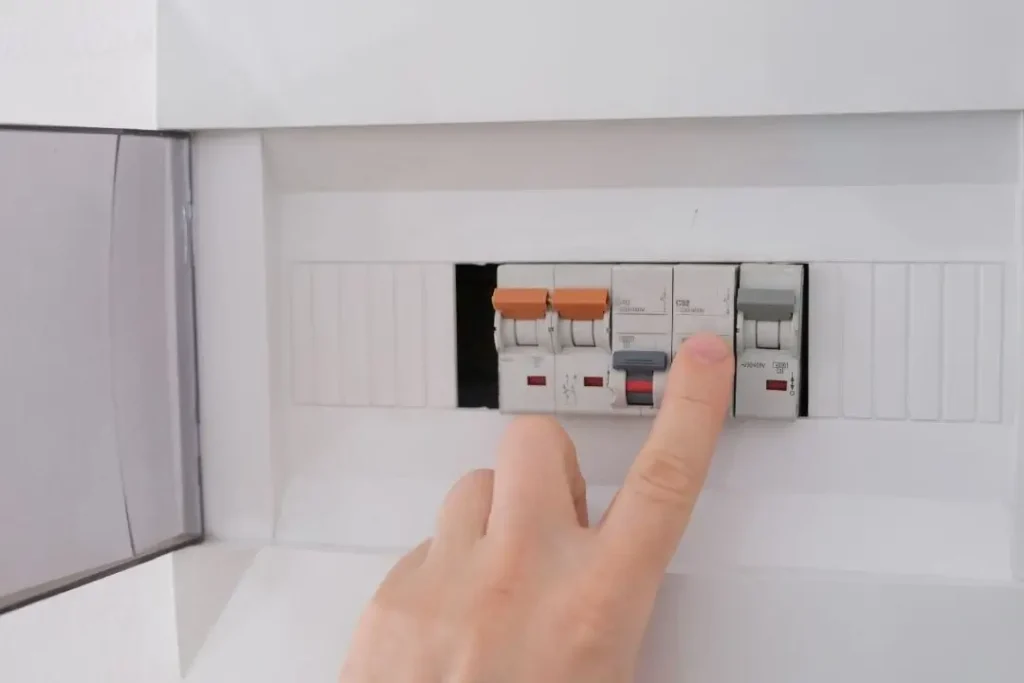
If your circuit breaker trips often, it’s usually a sign that something isn’t right. A circuit breaker is designed to shut off the flow of electricity when it detects an overload or fault. One of the most common reasons for tripped breakers is an overloaded circuit. This happens when too many appliances or devices are drawing power from one circuit, exceeding its safe capacity.
Usually, this problem is noticeable in high-use areas like kitchens, laundries, or living rooms where multiple devices are running at once. But frequent tripping shouldn’t be ignored as it puts strain on your electrical system and could lead to overheating, damaged wiring, or electrical fires.
Poor Wiring
In older homes, outdated or deteriorating wiring is a common hazard, but there are subtle cues to help you spot it. Look out for old-style switches and power points, visible cable damage in roof spaces or under the house, or signs of previous DIY electrical work like mismatched fittings or exposed wires.
If your home was built more than 30 years ago and hasn’t had a recent electrical inspection, it’s worth questioning whether the wiring is still up to modern safety standards. Even if everything seems to be working fine, aged wiring can silently degrade over time, increasing the risk of faults, shocks, or electrical fires.
Water Near Outlets or Wires
One of the most serious electrical hazards is the presence of water near outlets, switches, or wiring. Sometimes, it’s as simple as spotting moisture around a bathroom socket, a leak under the sink near a power point, or damp marks on the wall near electrical fittings.
Plumbing leaks, roof damage, or high humidity can allow water to seep into areas where it shouldn’t be. If you notice bubbling paint, water stains near outlets, or a musty smell in areas with electrical points, it’s best to treat it as a potential hazard. Because water conducts electricity, even small amounts near wiring increase the risk of electric shock or fire. If you see any signs of moisture near electrical components, don’t use those outlets until the issue is resolved.
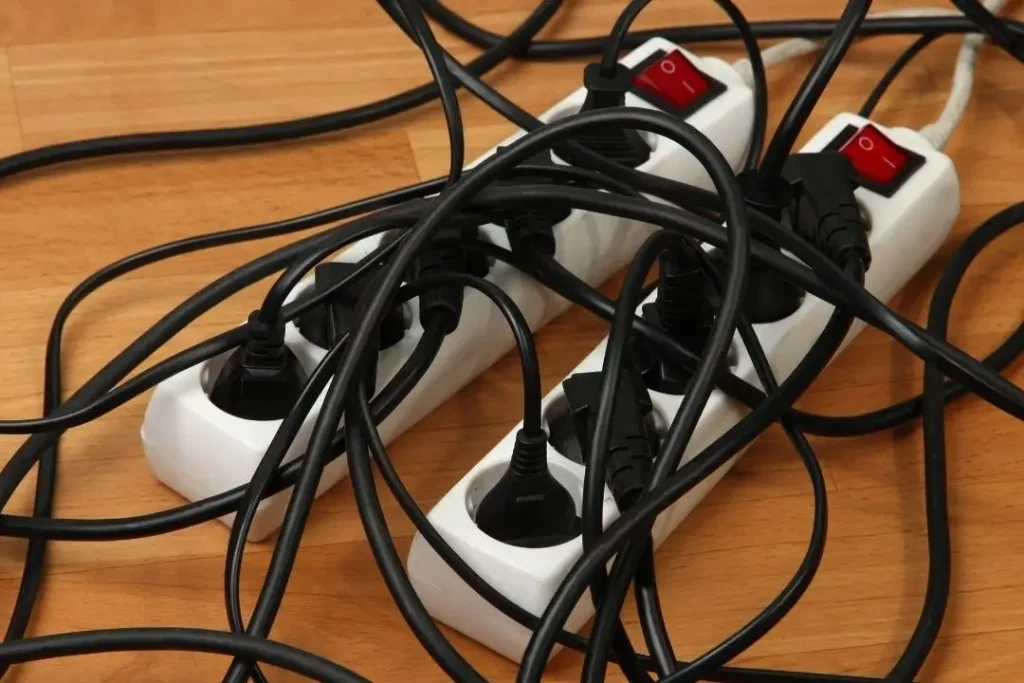
Incorrect Use of Extension Cords
Extension cords can be handy, but they’re not designed to be permanent solutions. If you find yourself relying on them every day, especially to power large appliances or multiple devices from one cord, it’s a sign your home may need more permanent outlets or upgraded wiring.
Look for signs of overuse like tangled cords, daisy-chaining or plugging one extension lead into another, or cords running under rugs or through doorways. These setups might be convenient, but they can lead to overheating, tripping hazards, and damaged insulation. You should also check for frayed wires, cracked plugs, or scorch marks because they are indicators that a cord is unsafe and should be replaced immediately.
Extension cords should only be used as a temporary fix and always matched to the power requirements of the devices they’re running.
Lack of Safety Switches
Safety switches or Residual Current Devices (RCDs) are designed to shut off electricity instantly if they detect a fault like current leaking to the ground. They’re one of the most effective ways to protect against electric shock. You can usually check if your home has safety switches by looking at your switchboard. They’re often marked with a “T” or a “Test” button.
Without RCDs, there’s nothing to stop electricity from continuing to flow in the event of a fault. That puts everyone in the home at greater risk, especially in households with kids, pets, or older appliances. If your switchboard hasn’t been updated in a while, it’s time to ask whether your home is properly protected.
Outdated Electrical Systems
Older homes have charm, but their electrical systems don’t always keep up with modern needs. If your home was built several decades ago and hasn’t had a major electrical upgrade, chances are the system wasn’t designed to handle today’s appliances and technology.
Signs of an outdated system include a fuse box instead of a modern circuit breaker panel, a lack of safety switches, or power points and switches that look worn, yellowed, or loose. Ageing electrical components wear down over time, becoming less reliable and more dangerous. Identifying these signs early can help you plan for upgrades before a serious problem occurs.
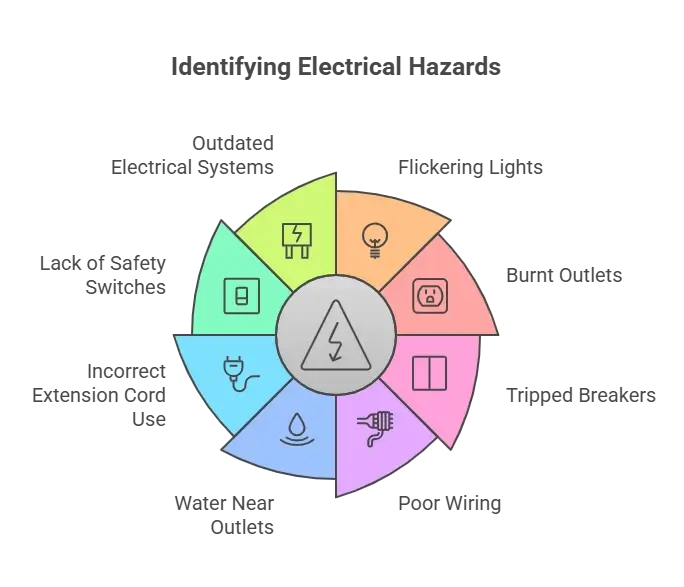
What to Do When You Spot Electrical Hazards
If you notice something that doesn’t look or feel right, it’s important to act quickly and safely. The first step is to reduce any immediate risk. Unplug appliances from affected outlets and avoid using any switches or circuits that seem faulty. If water is involved, don’t touch anything. Instead, turn off the power at the main switchboard to eliminate the risk of electric shock. Never try to investigate wiring issues on your own, especially if it involves removing faceplates or accessing roof or wall cavities. This is especially important in busy family homes. If you’ve got kids at home, simple precautions matter. Queensland’s Electrical Safety Office shares practical tips for keeping children safe around electricity.
After taking the basic precautions, the safest move is to call a licensed electrical contractor. What might seem like a small issue, such as a circuit that keeps tripping or an outlet that feels warm, can often be a sign of something more serious happening behind the scenes. Electrical faults are hard to diagnose without proper tools, but attempting DIY fixes can create bigger problems and, not to mention, is illegal in Queensland. A professional can assess the situation thoroughly and make sure everything is safe and compliant before it gets worse.
Preventing Future Electrical Hazards
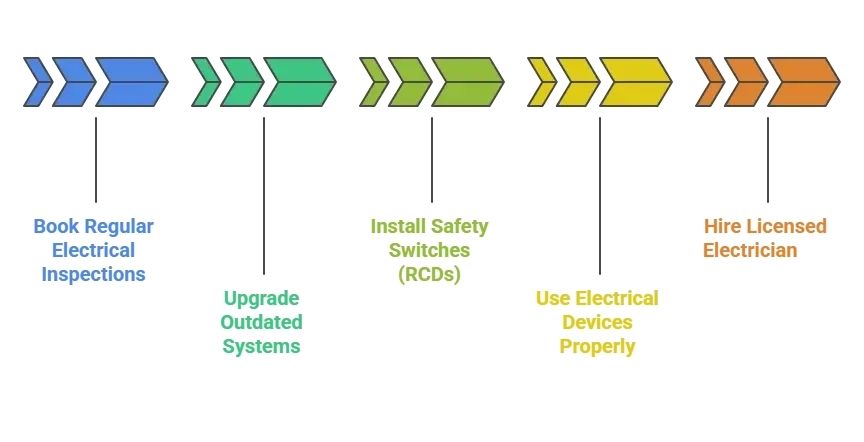
Spotting problems early is important, but preventing them altogether is even better. Here are a few practical steps you can take to reduce the risk of electrical hazards in your home:
- Book regular electrical inspections. A licensed electrician can check for hidden faults, test your safety switches, and make sure your wiring meets current standards.
- Upgrade outdated systems. If your switchboard, wiring, or outlets are showing their age, upgrading them can improve safety and performance.
- Install safety switches (RCDs). These devices shut off power instantly if they detect a fault, preventing electric shocks and reducing fire risk. They also provide an extra layer of protection against power surges.
- Use electrical devices properly. Don’t overload power points or extension cords. Unplug appliances when not in use and avoid using extension leads as a long-term solution.
- Hire a licensed electrician. Whether it’s rewiring, adding new circuits, or renovating, professional electricians ensure everything is installed safely and to code.
Stay Safe by Spotting Electrical Hazards Early
Electrical hazards don’t always come with a loud warning. Being able to spot signs early, like flickering lights, a warm outlet, or a tripped breaker, is key to keeping your home and everyone in it safe. Staying proactive with inspections, upgrades, and safe habits helps prevent accidents and costly repairs. And when something doesn’t seem right, calling in a licensed electrician is always the safest move.
Don’t wait for a small issue to turn into a serious hazard. Book an electrical safety check today and enjoy the peace of mind that comes with a safer home! Stay one step ahead because when it comes to electricity, it’s better to be safe than sorry.