Ever found yourself reaching for a charger, only to realise there’s no outlet nearby? Power point placement might not seem an important aspect during a renovation, but it plays a big role in how functional and future-ready your home will be. Too few outlets or ones placed in the wrong spots can lead to frustrating workarounds, safety risks, and costly retrofits later on. This post will explain how to plan power point placement during a renovation, including safety requirements, room-by-room tips, future-proofing options, and when to involve an electrician.
Australian Codes & Standards at a Glance
Power point installation must follow the AS/NZ 3000 Wiring Rules, which set out strict safety standards for every part of your home. Knowing the basic rules makes it easier to plan your layout and talk through ideas with an electrician. Here are some key guidelines to keep in mind:
- Mounting height: Powerpoints must be installed at least 75mm above the finished floor to allow safe plug removal.
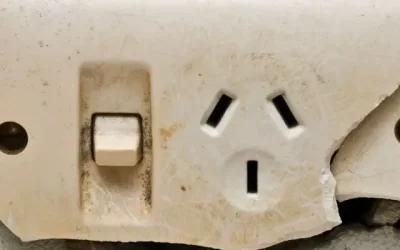
- Socket type: Standard outlets are type I, rated at 10 A, and must include individual switches for each socket.
- Wet-area restrictions: Bathrooms and laundries are divided into safety zones (0 to 3) where powerpoints are restricted or prohibited to prevent electric shocks.
- RCD protection: All new and modified GPO circuits must be protected by a safety switch (RCD) to meet compliance and safety standards.
- Outdoor use: Exterior outlets must be weatherproof (IP-rated) and installed at compliant heights, typically between 300mm and 2m from the ground.

How Many Power Points? Electrical Load Planning
Older homes often have few outlets because they were designed in a time before there were TVs, or computers in every room, chargers on every bench, and smart devices all over the house. Today, a modern home needs more GPOs to match how we live. As a general guide:
- Living areas should have an outlet roughly every 2m along the wall.
- Modern three-bedroom homes often need around 40 GPOs total.
- High-use zones like kitchens, home offices, and media rooms may require even more.
Your home’s switchboard and circuit layout also matter. Adding a large number of outlets might require additional circuits or an upgraded switchboard to handle the electrical load safely. Proper planning at this stage helps avoid overloaded circuits, messy power boards, and the need for costly adjustments later.
Room-By-Room Placement Guide
Planning outlet placement room by room helps ensure each space is functional and compliant with Australian standards. Here’s what to consider when planning power points for each area during a renovation:
Living Rooms
Place power points every 2m along the wall, especially near entertainment units and seating areas. Include extras behind TVs, soundbars, and consoles, and near lounges for lamps, chargers, or electric recliners. For open layouts, consider floor outlets if furniture sits away from the walls.
Kitchen
Install outlets above benchtops, spaced no more than 600mm apart. Avoid placing them inside appliance cabinets. Dishwashers and similar built-ins must be plugged in from an adjacent cupboard via a hole in the kickboard. Think ahead for things like coffee machines, toasters, or under-cabinet lighting.

Bedrooms & Home Offices
Include outlets on both sides of the bed, ideally 400-500mm above the floor. Add power points near built-in desks or areas where you’ll use computers, lamps, or chargers. USB-integrated options are a smart addition, especially in work-from-home setups.
Bathrooms & Laundries
Outlets must be kept clear of zones 0 to 3 around baths and showers. The safest location is typically beside or above the vanity, as long as it’s 3 metres from wet zones and protected by an RCD. Always follow the we-area safety rules.
Outdoor Areas
At minimum, install one weatherproof outlet at the front and back of the home, between 300mm and 2m above ground level. Outlets must be RCD-protected and spaced so no point along the wall is more than 7.5m from a power point. These are handy for garden tools, patio lighting, BBQs, or pool equipment.
Load, Safety, and Future-Proofing
Renovating your home is the perfect time to think beyond basic outlet placement and make sure your electrical setup is safe, efficient, and ready for the future.
Start by checking that your circuits can handle the total load. High-use areas like kitchens, media rooms, and home offices may need dedicated circuits to avoid overloads. If you’re adding lots of new power points, an electrician might also recommend a switchboard upgrade. Make sure all outlets meet Australian standards. This includes individually switched powerpoints and tamper-resistant designs under AS/NZ 3112. Outdoor and wet-area outlets must be weatherproof and protected by RCDs for safety.

To future-proof your home, consider USB-integrated outlets in bedrooms, studies, and kitchens. It’s also worth running conduit for future smart tech, Ethernet, or speaker wiring, even if you’re not installing those yet. Think about placing extra outlets in locations you might need down the road, such as garages, outdoor entertaining areas, or near a future EV charging point.
DIY Planning vs Licensed Installation
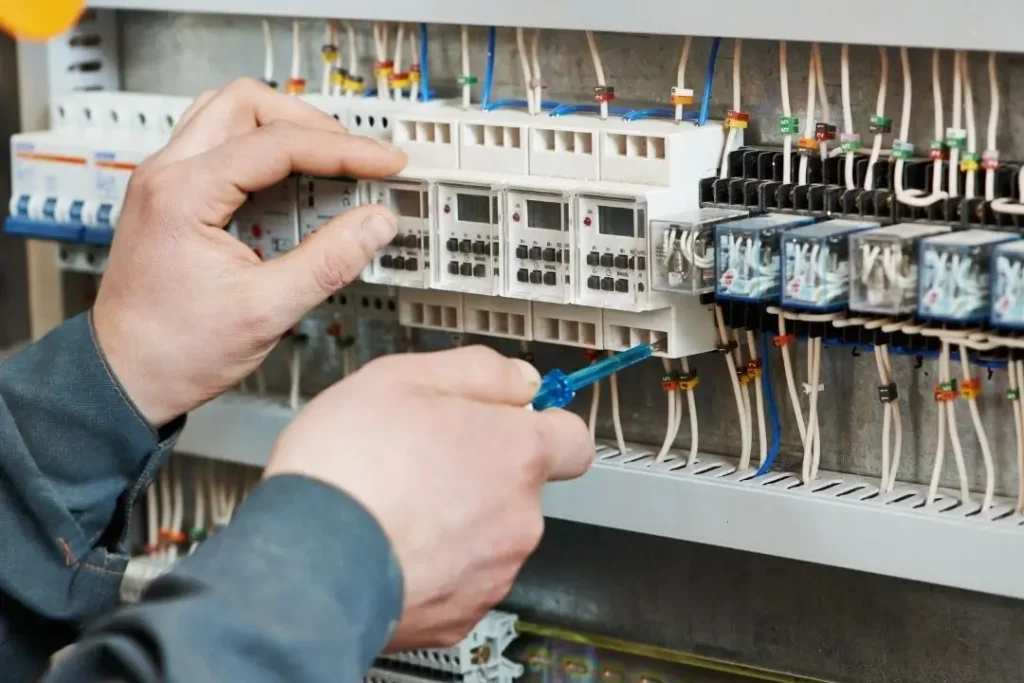
While you can decide where you want your power points to go, the actual installation must legally be carried out by a licensed electrician. It’s a requirement under Australian law to ensure safety, proper connections, and full compliance with AS/NZS 3000.
As a renovator, you could sketch out your preferred outlet locations based on how you plan to use each space. Think about furniture layout, appliance zones, and charging needs. Then, bring your plan to a licensed electrician, who can make sure everything meets code and issue a Certificate of Electrical Compliance once the work is done.
For larger renovations, it’s best to involve your electrician early, ideally before the walls are framed, so they can run wiring in the right spots and avoid costly changes later. If your renovation includes new air conditioning, it’s also important to consult with an air conditioning specialist during the planning stage, since system placement often affects electrical load and wiring requirements.
Final Tips to Power Your Renovation the Right Way
Planning where your power points go might seem minor, but it plays a big role in how safe, functional, and future-ready your home will be. From room-by-room placement to legal requirements and smart upgrades, getting it right during your renovation can save you time, money, and hassle later on. Taking the time to plan now means fewer compromises in the future. Whether you’re updating a single room or your whole home, smart outlet placement helps everything run smoothly both now and in the years to come
Ready to start your renovation? If you’re based in Toowoomba, we can help you plan and install safe, compliant, and future-ready powerpoints. Get in touch by calling us on (07) 4646 4092 to get a free quote!